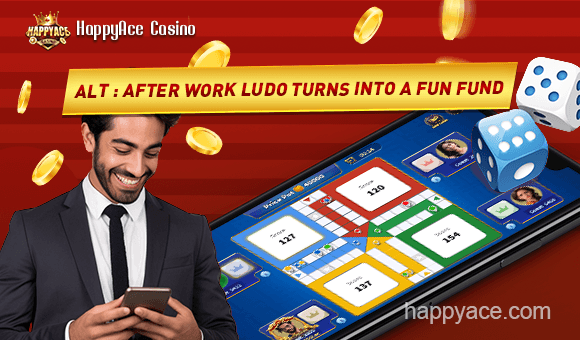
This HappyAce Ludo guide is written for new players who want to understand the game quickly, avoid common mistakes, and play with better control from the first few rounds.
Why Ludo Is a Good First Game on HappyAce
HappyAce has different game categories, including card games, slots, casino-style games, and casual games. For a new player, card games like Rummy, Teen Patti, and Poker may require more rule knowledge. Slots are easy to start, but they are mostly chance-based.
Ludo sits in the middle. It is familiar, simple to understand, and still gives you decisions to make.
That makes Ludo useful for beginners who want:
- A game they can understand quickly
- A slower learning curve than card games
- A casual starting point inside HappyAce
- A game where every move still matters
- A simple way to get comfortable with the app before trying more complex games
How Ludo Usually Works
Different Ludo modes may have different rules, so always check the rule section inside the HappyAce app before joining a match. But most Ludo games follow the same basic idea.
You have tokens. Your goal is to move them from the starting area to the home area. Dice rolls decide how many steps you can move. Your job is to choose the best token to move each turn.
A normal Ludo round usually includes these parts:
- You roll the dice.
- You choose which token to move.
- You move the token according to the number.
- You avoid being captured by opponents.
- You capture opponents when it gives you an advantage.
- You move your tokens toward home.
- The player who completes the target first wins.
What Beginners Should Learn First
Before thinking about advanced strategy, learn these four things.
How Tokens Enter the Board
Many Ludo versions require a specific dice number to open a token. If your token is still inside the starting area, it cannot help you attack, defend, or move toward home. Getting tokens onto the board matters.
Which Squares Are Safe
Safe squares are important because opponents usually cannot capture you there. A beginner who understands safe spots will avoid many unnecessary losses.
When a Token Can Be Captured
If your token lands on an opponent’s square, that opponent may be sent back to the starting area. But the same can happen to you. Before moving, always check whether an opponent can reach your square next.
How to Reach Home
Reaching home is the real goal. Capturing opponents is useful only if it helps you move closer to winning. Do not get distracted by every possible attack.
Beginner Strategy: How to Make Better Moves
Keep More Than One Token Active
New players often push one token too far ahead while leaving the others locked at the start. This feels fast, but it creates risk. If that one token is captured, you lose a lot of progress.
A better beginner approach is to keep at least two tokens active when possible. This gives you more choices after each dice roll.
With multiple active tokens, you can:
- Move the safest token
- Attack when useful
- Avoid dangerous squares
- Keep one token near home while another stays defensive
Do Not Chase Every Capture
Capturing an opponent can feel satisfying, but it is not always the right move. Sometimes chasing a capture pulls your token away from a safer route or puts it within range of another opponent.
Before capturing, ask:
- Will this move help me reach home faster?
- Can another opponent capture me after this?
- Am I giving up a safer move?
- Is this capture worth the risk?
Use Safe Squares as Rest Points
Safe squares are not just for emergencies. They can be used as rest points while you wait for a better dice roll or while opponents move past you.
If an opponent is close behind, moving into a safe square can protect your progress. If you are far from danger, you may choose a more aggressive move instead.
The key is to know when to pause and when to push forward.
Move the Token That Reduces Risk
Each turn, look at your tokens and ask which move reduces the biggest risk.
Sometimes the best move is not the one that moves the farthest. It may be the move that protects your strongest token, avoids capture, or brings another token into play.
Beginners improve quickly when they stop asking "Which token can move?" and start asking "Which move is safest and most useful?"
Watch the Board Before Every Move
Ludo is not only about your dice roll. It is also about the position of every opponent.
Before moving, check:
- Which opponent token is close to mine?
- Can someone capture me next turn?
- Do I have a safe square nearby?
- Can I capture it without exposing myself?
- Which token is closest to home?
Best Starting Style for New HappyAce Players
If you are new to HappyAce Ludo, start with a simple style:
- Open at least two tokens when possible.
- Move toward safe squares when opponents are near.
- Avoid risky captures early.
- Keep one token moving toward home.
- Do not increase your amount until you understand the match flow.
Common Mistakes to Avoid
Playing Too Fast
Fast moves often lead to missed risks. Take a few seconds before each move, especially when opponents are close.
Moving Only the Leading Token
A single token far ahead can become an easy target. Keep your options open with multiple tokens.
Ignoring Opponent Range
If an opponent can reach your square with a likely dice roll, your token is at risk. Always check distance.
Thinking Ludo Is Only Luck
Dice rolls matter, but your choices still shape the result. A good player uses average rolls better than a careless player uses lucky rolls.
Treating Rewards as Guaranteed
Ludo is entertainment. No match should be treated as guaranteed income. Play only with a clear limit.
Ludo Compared With Other HappyAce Games
Ludo is a practical starting point, but it is not the only option on HappyAce.
| Game | Good For | Beginner Difficulty |
|---|---|---|
| Ludo | Casual players who want familiar rules | Easy |
| Slots | Quick, simple entertainment | Easy |
| Teen Patti | Players who know Indian card games | Medium |
| Rummy | Players who enjoy strategy and card planning | Medium to High |
| Poker | Players comfortable with deeper card strategy | High |
How to Play Ludo Responsibly on HappyAce
Smart play is not only about winning moves. It is also about knowing your limits.
Before you start, decide:
- How much time you will play
- How much you are comfortable spending
- When you will stop
- Whether you are playing calmly or emotionally
A simple rule is useful: set your limit before the match, not during the match.
When Should You Try Other Games?
After playing Ludo for a while, you may want to explore other HappyAce games.
Try Slots if you want something faster and simpler.
Try Teen Patti if you already know Indian card games.
Try Rummy if you want more planning and strategy.
Try Poker if you enjoy deeper decision-making.
Ludo can be your first step, but HappyAce has different games for different playing styles.
Final Recommendation
HappyAce Ludo is a strong beginner choice because it is familiar, simple, and still gives you meaningful decisions. You do not need advanced gaming experience to start, but you should still play carefully.
The best beginner strategy is simple:
- Keep more than one token active
- Use safe squares
- Watch opponent positions
- Avoid unnecessary risks
- Move toward home steadily
- Play within a fixed limit
Responsible Gaming Reminder: HappyAce games are for entertainment and may involve real cash risk. Set a budget, avoid chasing losses, and play responsibly. Only participate if you meet the legal age and local rules in your location.